Design to Development: How Graphic Designers and Remote Teams Work Together
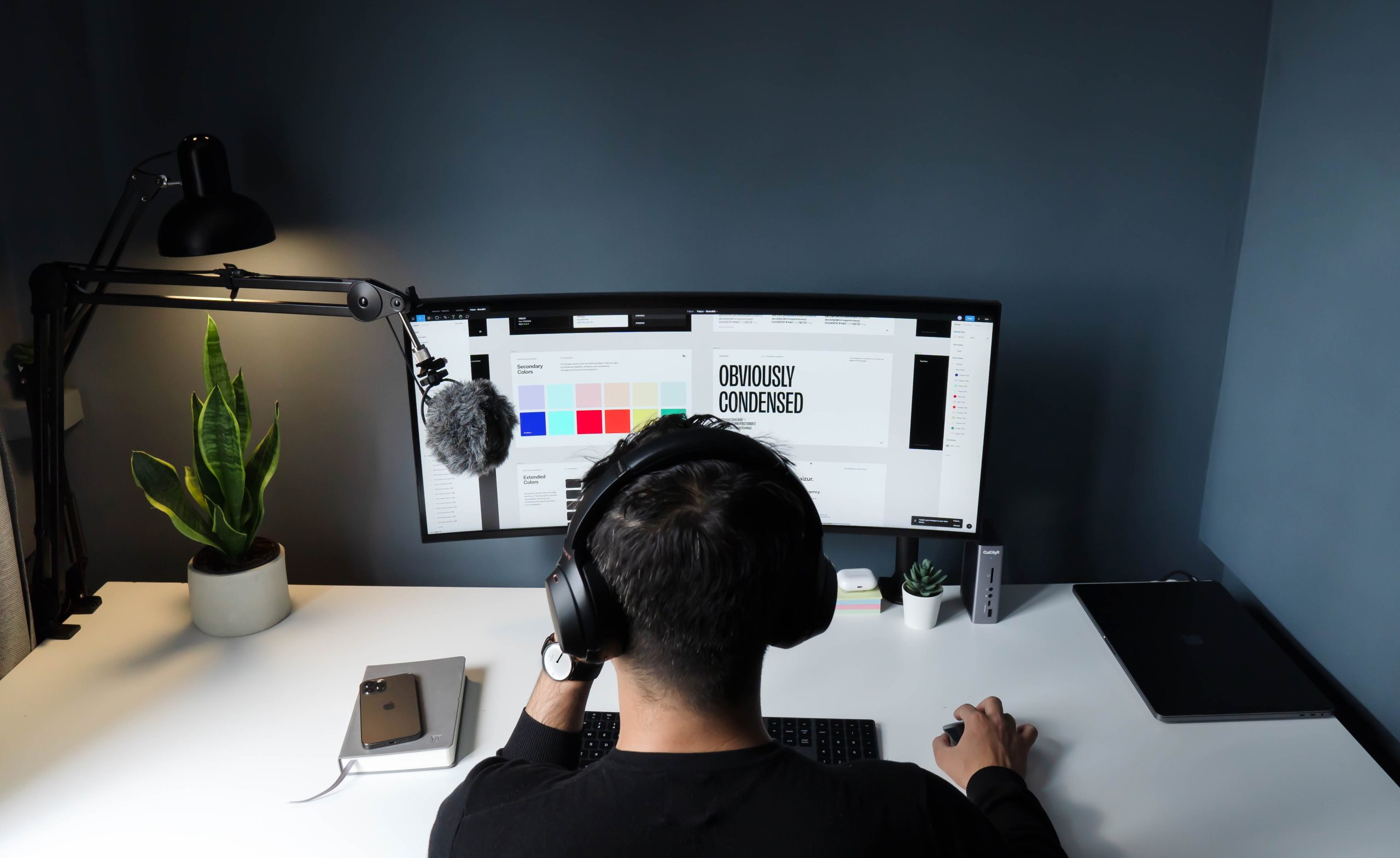
In the world of digital product creation, design and development are no longer isolated stages—they are intertwined components of a seamless creative process. As businesses increasingly shift to remote work models, collaboration between graphic designers and development teams has evolved. Today, it’s not uncommon for a company to hire dedicated graphic designers who work hand-in-hand with a remote development team, regardless of location or time zone.
This article explores how these creative and technical experts bridge the gap between visuals and functionality, the tools they use, the challenges they face, and how organizations can optimize this partnership to create exceptional digital experiences.
The Evolving Role of Graphic Designers
Gone are the days when graphic designers were confined to print media or static visuals. Today’s graphic designers are strategic partners in product development. They conceptualize branding, user interfaces, motion graphics, and interactive elements that bring digital products to life.
Modern designers must:
Understand user behavior and accessibility standards
Create scalable designs for multiple devices and screen sizes
Collaborate with frontend and backend teams for technical feasibility
Work with design systems and component libraries
When you hire dedicated graphic designers, you gain professionals who not only deliver visually appealing outputs but also contribute to user-centric design thinking, ensuring the final product looks and functions flawlessly.
Why Remote Development Teams Are the New Norm
A remote development team consists of developers working from different locations, often across countries or continents. Thanks to cloud-based tools, agile frameworks, and asynchronous communication methods, these teams can now collaborate effectively with designers in real-time.
Advantages of remote development teams include:
Global Talent Access: Find the best developers without geographical limits
Cost Efficiency: Save on office space, equipment, and regional salary differences
24/7 Workflow: Utilize different time zones to maintain continuous development cycles
Scalability: Quickly add or remove team members based on project needs
The synergy between a remote development team and skilled designers accelerates timelines and brings innovation to the table.
From Design to Development: The Workflow
1. Initial Discovery and Conceptualization
This is where it all begins. Stakeholders, designers, and developers meet to define goals, user personas, and project scope. The designer outlines visual direction while the dev team assesses technical feasibility.
Best Practice: Conduct a joint design-development kickoff to ensure alignment from day one.
2. Wireframing and Prototyping
Designers create wireframes to outline layout and structure, followed by high-fidelity mockups and interactive prototypes using tools like Figma or Adobe XD. This is a collaborative stage where design ideas are tested before development begins.
Why it matters: Prototypes help the remote development team visualize end goals and plan technical implementation accordingly.
3. Design Handoff
The transition from design to code is critical. Platforms like Zeplin, Avocode, or Figma (with Dev Mode) provide developers with access to design specs, assets, spacing, and typography guidelines.
When you hire dedicated graphic designers, ensure they understand the importance of clean file organization and annotation—it makes life significantly easier for remote developers.
4. Development and Iteration
The development team implements the design using technologies like React, Angular, or Vue. During this phase, constant communication is vital. Designers may need to clarify elements or adjust designs based on technical limitations.
Tools like Slack, Jira, and Asana help manage ongoing tasks, bug tracking, and feature releases, ensuring transparency between all parties.
5. Testing and Feedback Loop
Before launching the final product, it undergoes rigorous testing. Designers review the implementation to ensure visual accuracy and user experience integrity. Developers fix bugs and refine interactions accordingly.
Regular design audits during development ensure that the product meets both aesthetic and functional standards.
Communication: The Key to Collaboration
Effective communication is the backbone of a successful designer-developer relationship. Remote settings can add complexity, but modern tools mitigate these challenges:
Video Conferencing: Tools like Zoom and Google Meet help replicate in-office discussions.
Cloud Collaboration: Google Drive, Notion, and Figma support real-time updates.
Project Management: Trello, ClickUp, or Monday.com keep everyone on the same page.
Clear documentation, shared goals, and mutual respect between creative and technical teams are crucial for smooth project execution.
Overcoming Common Challenges
Despite best intentions, remote collaboration between designers and developers can encounter obstacles. Common issues include:
Misaligned Expectations: Lack of clear briefs or incomplete handoffs can derail timelines.
Design Inconsistencies: When designers don’t use design systems or style guides, the final product can look fragmented.
Technical Constraints: Designers may envision interactions that are difficult or time-consuming to implement.
Solution: When you hire dedicated graphic designers, choose professionals who have experience working with development teams. Likewise, ensure your remote development team includes frontend developers familiar with modern design principles.
Real-World Applications: Where This Collaboration Shines
From e-commerce platforms to SaaS dashboards and custom IoT solutions, the designer-developer dynamic is essential for creating effective user experiences.
Example Use Case: IoT Dashboards
In custom IoT solutions, designers are responsible for visualizing complex data (such as real-time sensor data) in user-friendly dashboards. Developers then bring these visuals to life with responsive, secure, and scalable applications.
The process relies heavily on tight coordination, especially in interpreting data and designing intuitive UI for non-technical users.
Future-Proofing the Design-Development Process
As technology continues to evolve, so must the way teams collaborate. Integrating AI-driven design tools, real-time co-editing platforms, and advanced prototyping will make the bridge between design and development even stronger.
To stay competitive, businesses should:
Invest in training designers and developers in collaborative tools
Promote cross-functional teams from the start
Embrace agile development methodologies
Most importantly, choose the right people. When you hire dedicated graphic designers and work with a skilled remote development team, you're laying the groundwork for innovation and long-term digital success.
Conclusion
The synergy between graphic designers and remote development teams is no longer a novelty—it’s the new standard in digital product development. By aligning visual creativity with technical execution, companies can build products that are both beautiful and functional.
Whether you’re launching a mobile app, a complex web platform, or cutting-edge custom IoT solutions, the collaboration between your creative and development teams is what turns vision into reality.
Choosing to hire dedicated graphic designers and collaborating with a capable remote development team isn’t just a smart strategy—it’s essential for delivering high-impact user experiences in today’s connected world.


